It's not just about what's sprayed on your food — it's about how the whole system, from farm to mandi to storage, quietly enables it.
We've all heard the usual advice: wash your vegetables, avoid overly shiny apples, shop local. But the real issue goes deeper. It's about how the entire system — from farm to mandi to storage — quietly enables the continued use of dangerous chemicals.
Most farmers don't know what they're spraying
In many rural areas, farmers choose pesticides based on what's cheap or works fast. Labels are often unreadable or missing. The result: farmers often use higher doses than recommended — not out of negligence, but because there's a huge gap in chemical literacy and trustworthy guidance.
Ripening and fumigation happen out of sight
Much of the artificial ripening in India happens inside cold storages — one carbide brick can ripen up to ten tons of fruit. Stored grains are fumigated repeatedly with chemicals every two to four weeks. Don't assume a branded retail pack is safer; it often comes from the same warehouses.
So what can you do differently?
- Buy direct from farms. Their reputation depends on trust and repeat buyers, not short-term margins.
- Talk to your vendor. Ask when the produce arrived.
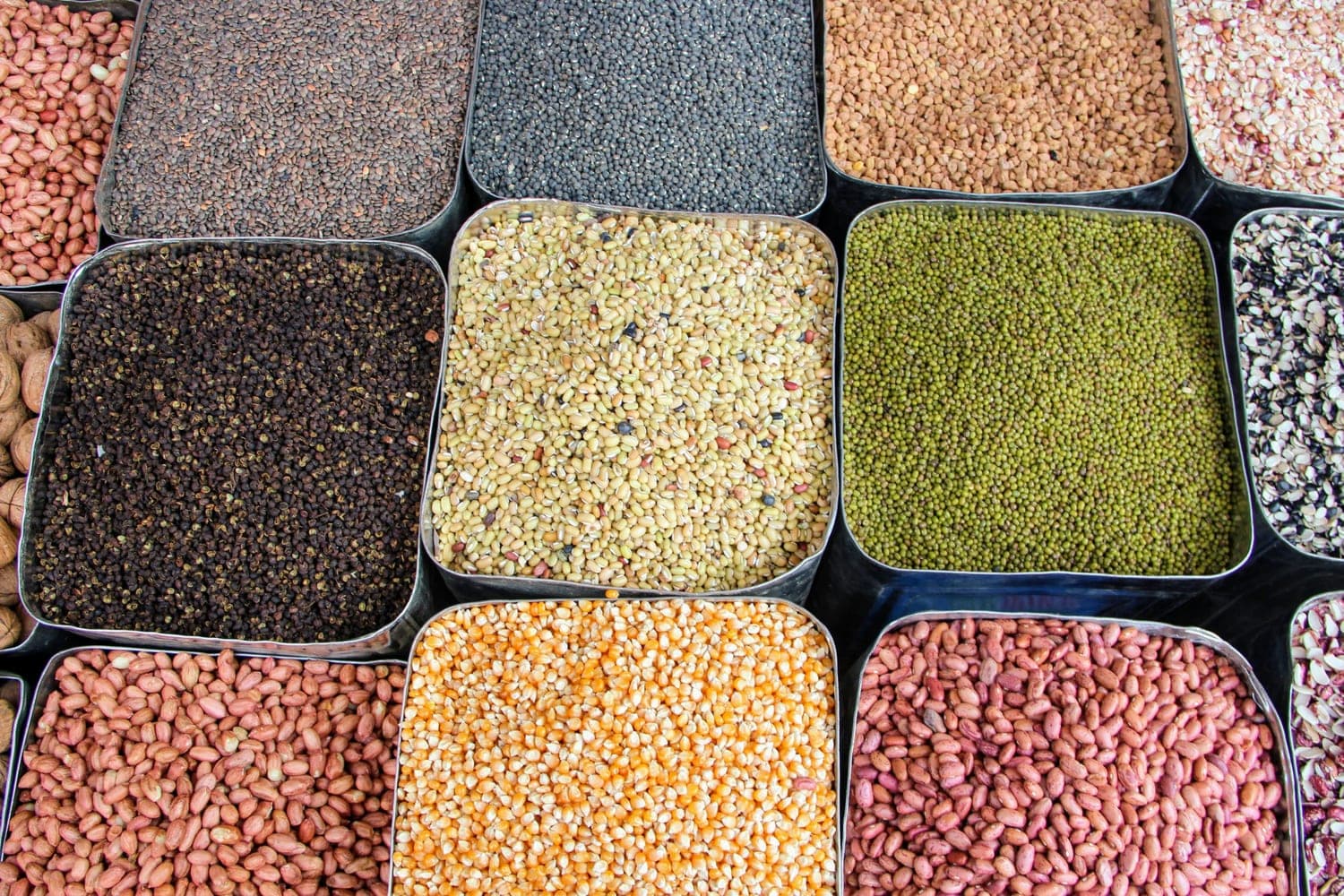
- Choose whole over processed. Whole spices and unpolished pulses are harder to tamper with.
- Look for certified organic — and trusted natural growers. Many small farmers follow clean methods but can't afford formal certification. Look for transparency and accountability.
Chemical use in Indian produce isn't just a story of individual bad practices. It's a result of systemic gaps in regulation, awareness, and accountability. The more we ask, the more things change.
Venugopal Padmanabhan
Nature's Gold Farms